




How to Care for Your Jewellery
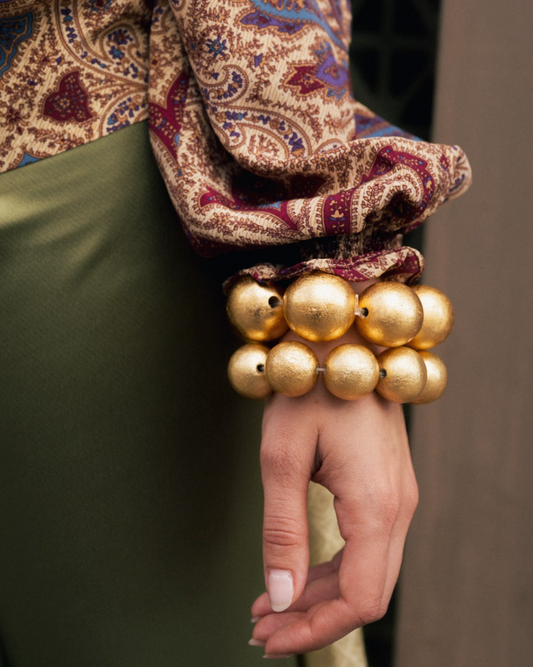
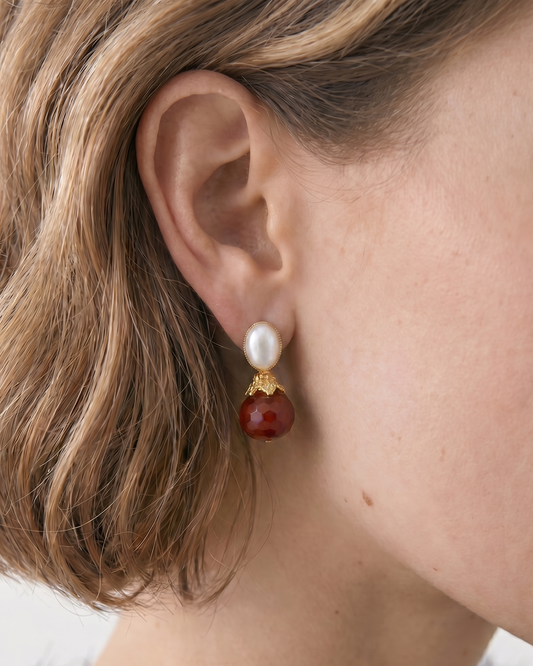
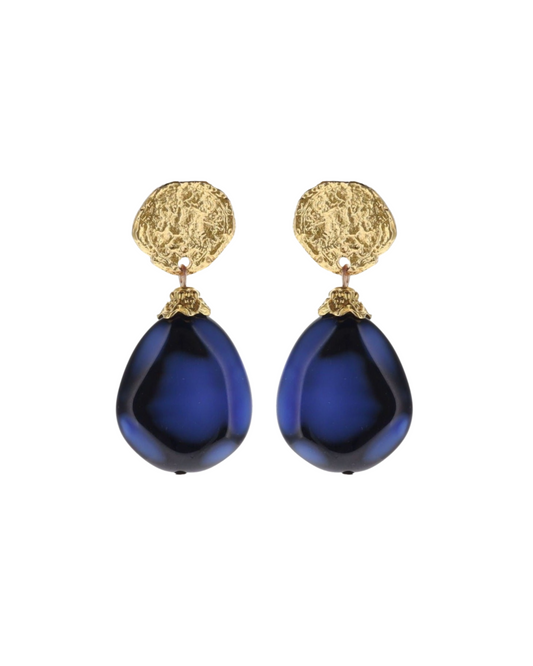
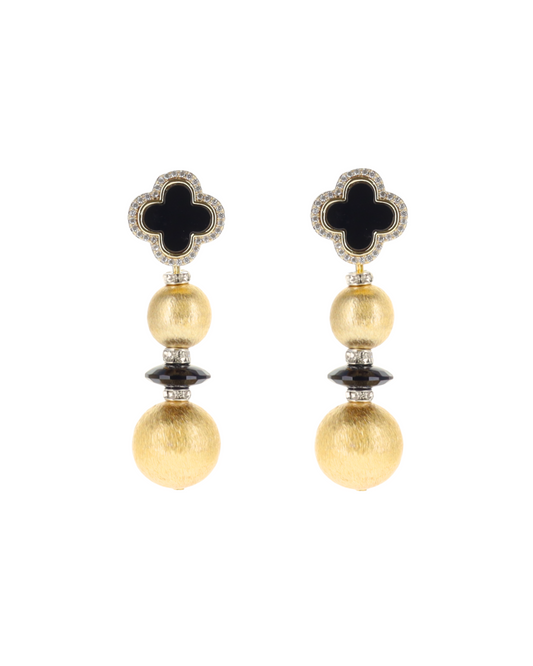
Each Laurence Coste piece is handmade in limited quantities, designed with intention and built around materials that have been carefully chosen for their character: semi-precious stones with natural variation, cultured pearls with genuine lustre, gold-plated settings with real depth of finish. Pieces made with that level of thought deserve care instructions to match. This guide covers how to care for your jewellery day to day, with specific advice for the materials and product types in the Laurence Coste collection: gold-plated settings, semi-precious stones, cultured pearls, clip-on earrings, statement necklaces, and bespoke pieces.
The Golden Rules: What to Do (and Avoid) Every Day
Good jewellery care is mostly a matter of habit. A few consistent practices will significantly extend the life of your pieces and keep them looking as they did on the day you first wore them.
Before you put your jewellery on:
- Apply perfume, hairspray, body lotion, and any other products first, and allow them to dry or settle before putting on your jewellery. The chemicals in these products interact with metal and can dull gold plating, discolour certain stones, and leave residue in stone settings.
When to take your jewellery off:
- Remove pieces before swimming or entering a hot tub. Chlorine is particularly damaging to gold plating, accelerating wear and causing discolouration. Saltwater and the minerals in hard water also degrade the surface finish over time.
- Remove before showering or bathing. Regular exposure to water and steam weakens plating and can loosen the adhesive in some stone settings.
- Remove before bed. Chains and necklace cords can stretch, snag, or become knotted. For long-drop or statement earrings, sleeping in them puts sustained pressure on the fitting, whether clip or pierced.
- Remove before exercise, gardening, cleaning, and cooking. Perspiration accelerates tarnish on gold-plated surfaces. Physical impact against hard surfaces can dislodge stones from settings, and household cleaning products contain chemicals that will strip plating rapidly.
These are the care instructions for jewellery that apply across the board: the specific guidance for individual materials and product types follows below.
How to Clean Your Jewellery at Home
Regular light cleaning is far more effective than occasional intensive treatment. A quick wipe with a soft cloth after each wear removes the skin oils and everyday residue that, if left to build up, dull the surface and eventually work their way into stone settings. For a deeper clean, the method depends on what your piece is made from.
Cleaning Gold-Plated Pieces
The majority of Laurence Coste pieces are made on a gold-plated sterling silver base, with some pieces on a gold-plated brass base. The cleaning method is the same for both.
- Fill a small bowl with warm (not hot) water and add a few drops of mild washing-up liquid.
- Dip a soft-bristled toothbrush, extra-soft if possible, into the solution and gently work it over the piece, paying attention to any joins, settings, and textured areas where residue collects.
- Rinse thoroughly under clean running water to remove all soap residue.
- Dry immediately and completely with a soft, lint-free cloth. Do not leave gold-plated pieces to air dry, as water left on the surface can leave marks and accelerate tarnishing.
What to avoid on gold-plated pieces:
- Silver dip solutions. These are formulated for sterling silver and will strip gold plating.
- Ultrasonic cleaners. The vibration can loosen stones from their settings and is too aggressive for plated surfaces.
- Abrasive cloths or scouring pads of any kind.
- Commercial jewellery sprays or dips unless specifically labelled as safe for gold-plated jewellery.
For everyday maintenance between cleans, a soft polishing cloth used gently after wear will maintain surface shine and remove fingerprints and light residue.
Cleaning Semi-Precious Stones
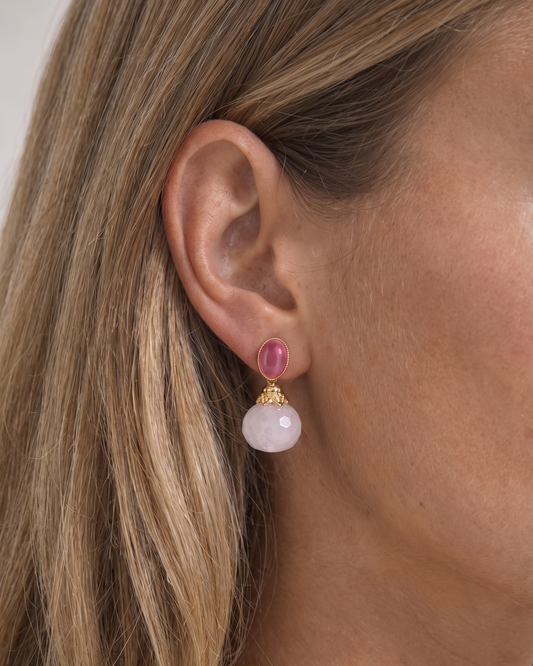
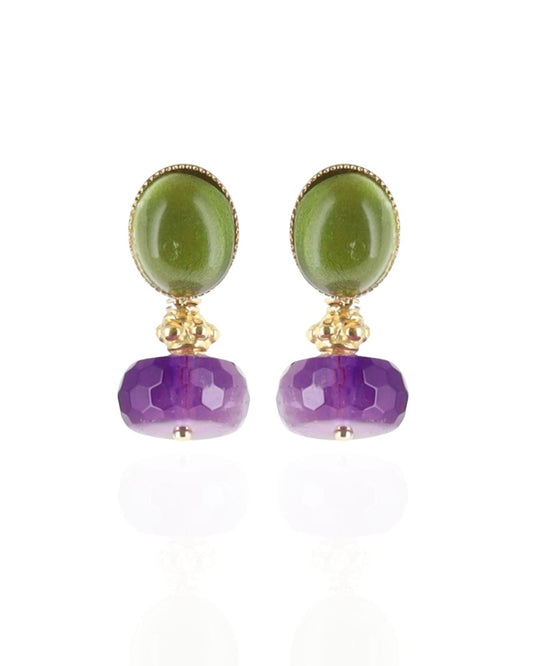
Laurence Coste pieces incorporate a wide variety of semi-precious stones: moonstone, amethyst, garnet, cornelian, turquoise, lapis lazuli, aquamarine, peridot, citrine, malachite, and mother of pearl, among others. Most of these can be cleaned using the same warm water and mild soap method as the metal, with a few specific exceptions.
- Malachite is particularly heat-sensitive. Use cool rather than warm water when cleaning pieces that incorporate it.
- Avoid prolonged soaking for any stone-set piece, particularly if the stone is held in place with adhesive rather than a claw or bezel setting.
- After cleaning, pat stones dry rather than rubbing vigorously, as harder rubbing can cause micro-scratches on softer stones.
- Do not use steam cleaners or ultrasonic cleaners on any piece with semi-precious stone settings.
Cleaning Pearl Jewellery
Pearls require a different approach from everything else in the collection. They are organic gems, produced by living creatures, and their surface layer (nacre) is soft, porous, and reactive. Caring for pearls means understanding that they are genuinely delicate in a way that most semi-precious stones are not.
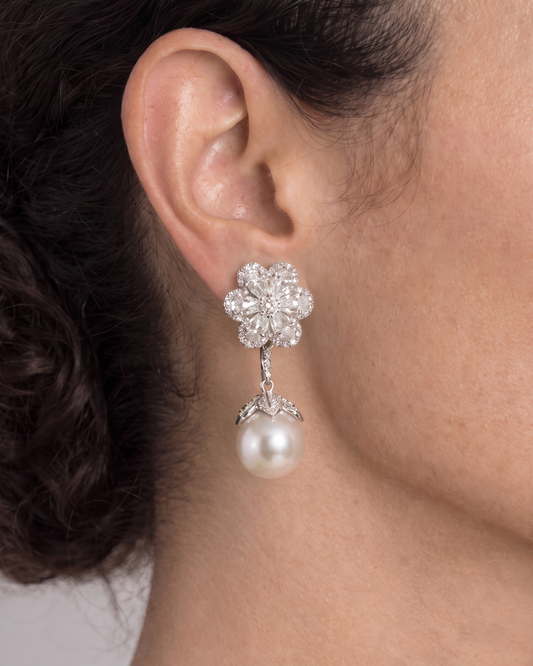
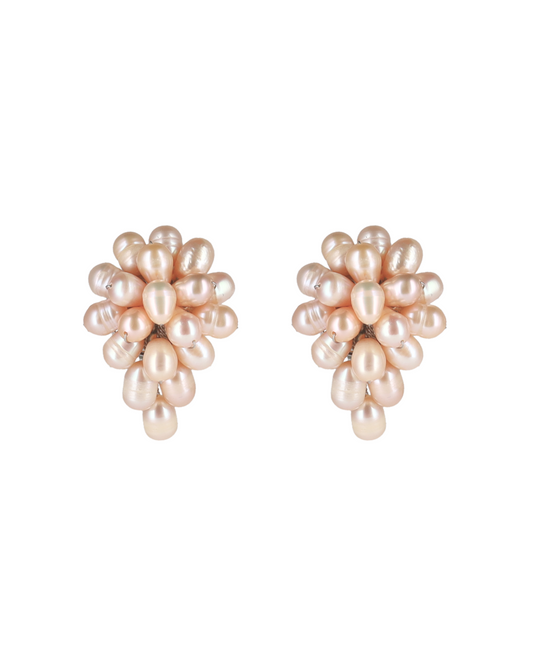
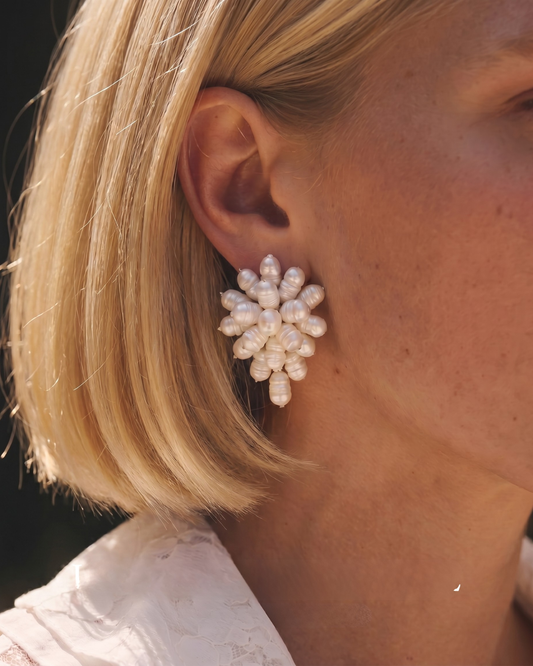
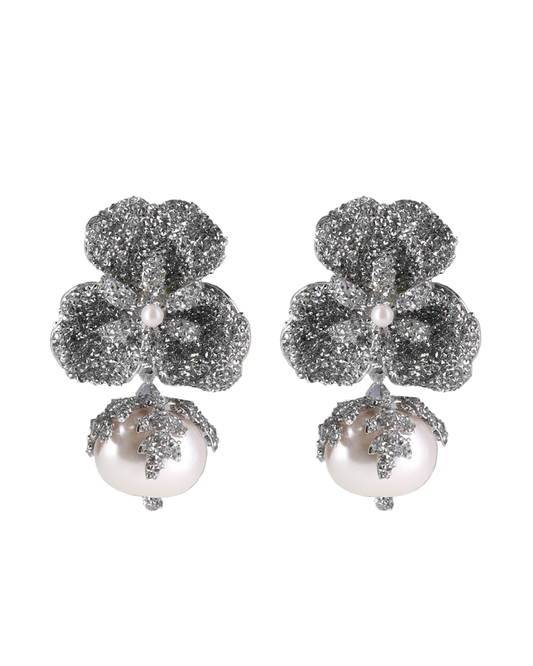
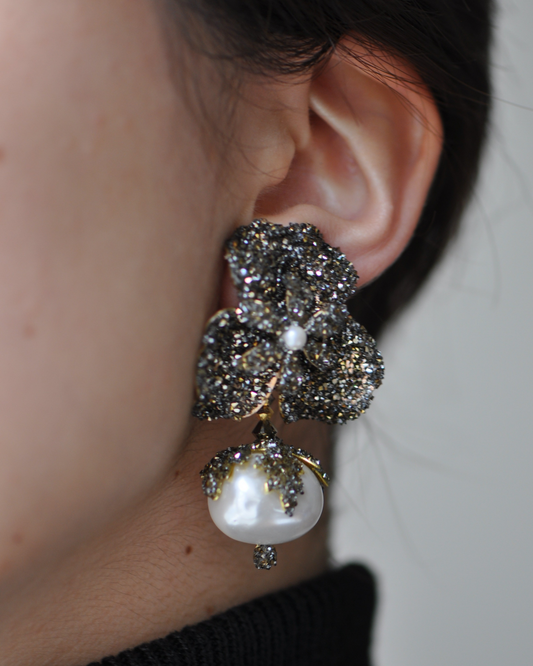
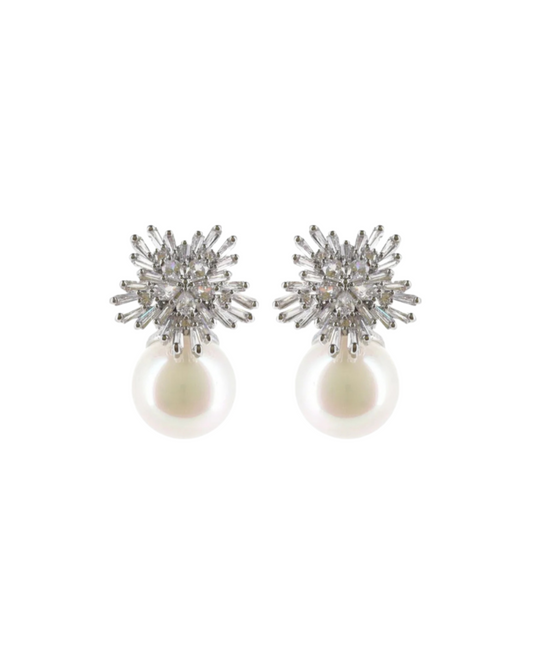
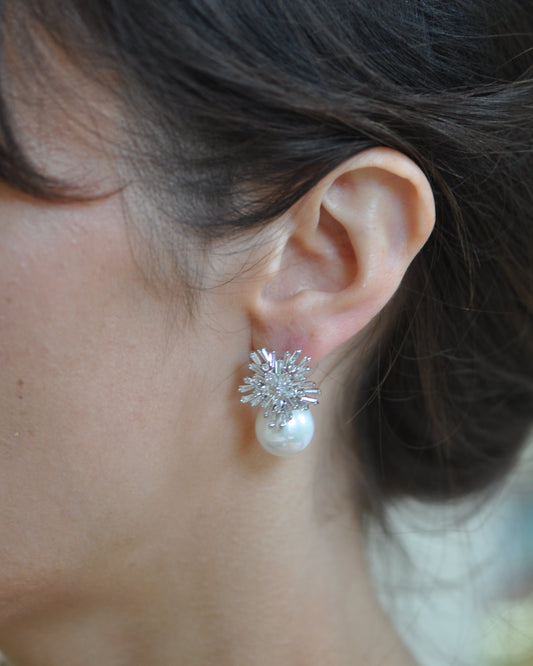
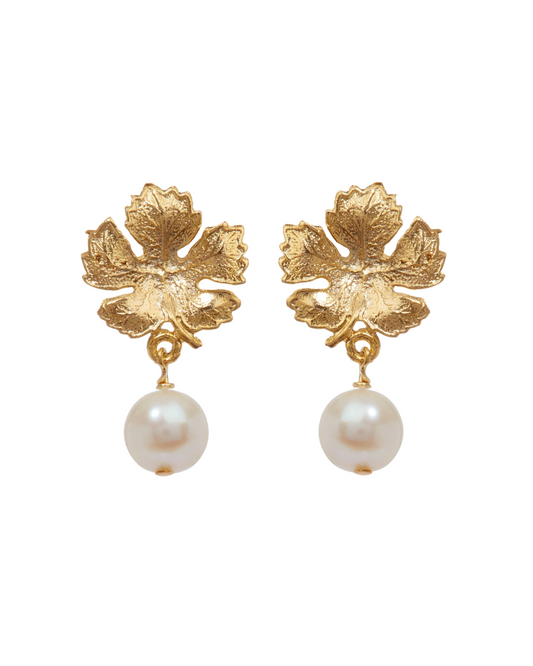
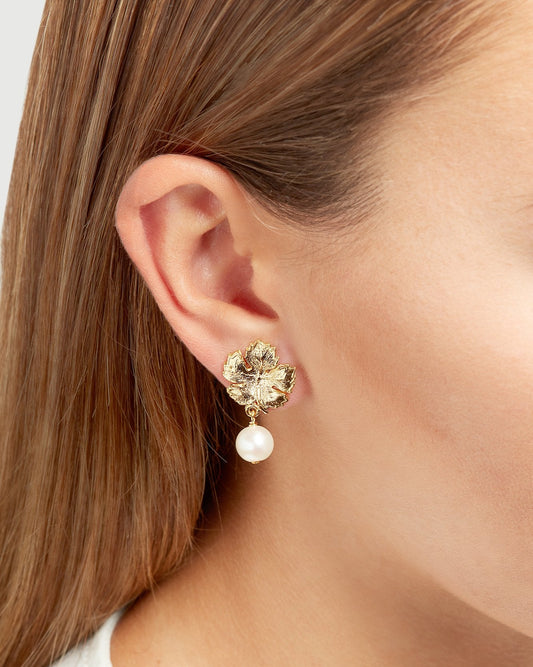
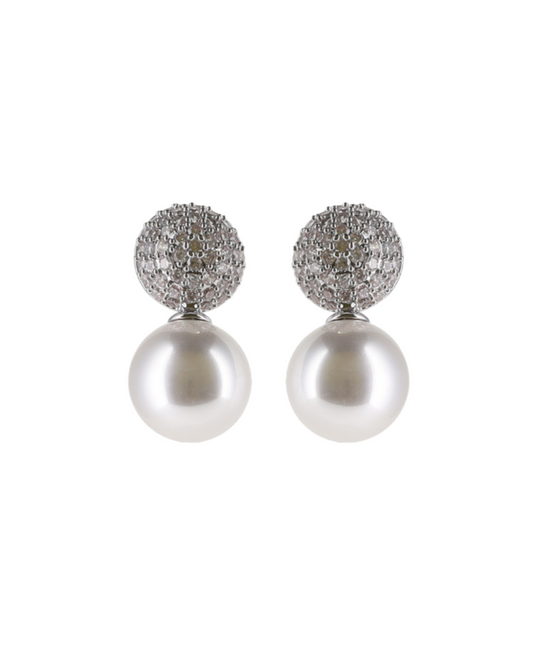
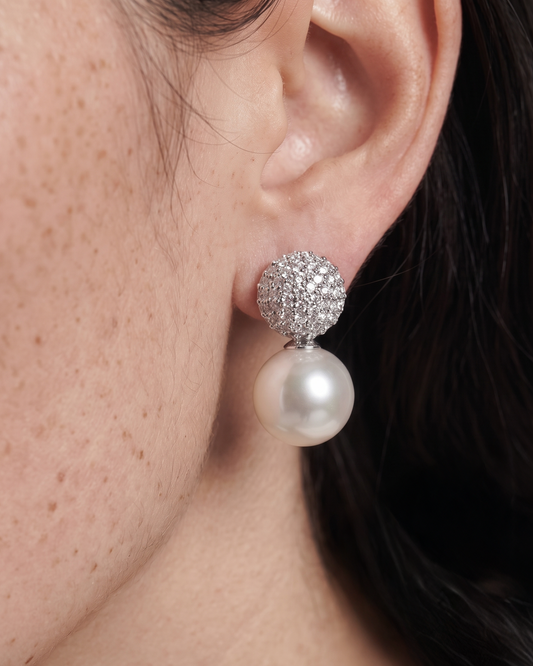
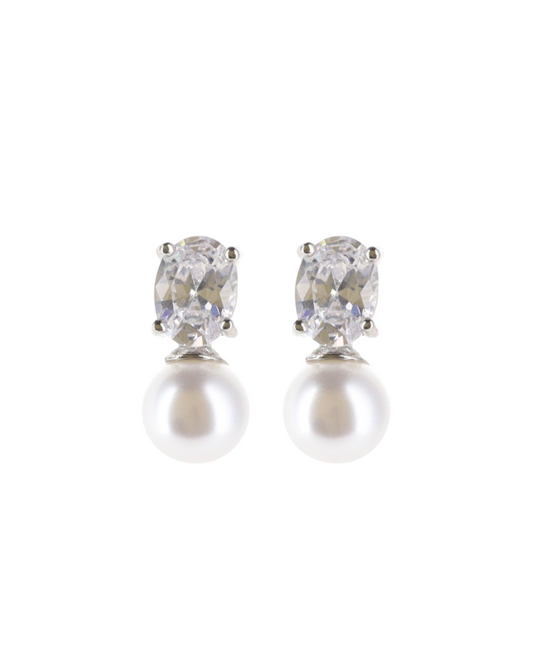
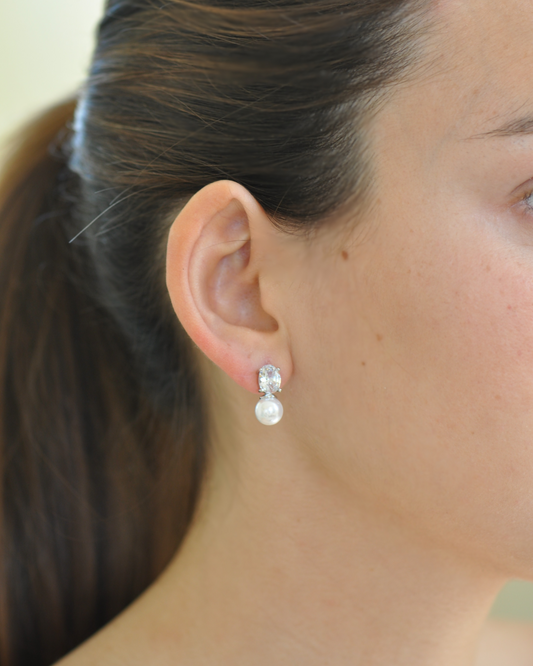
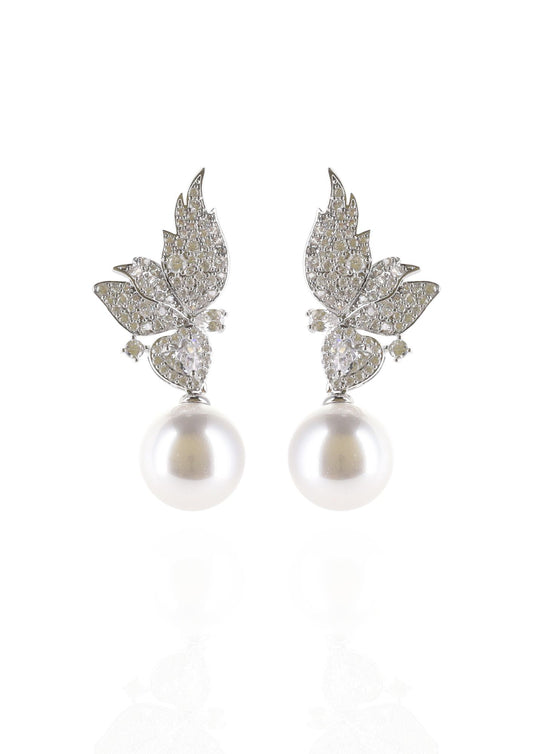
The pearl earrings and cultured pearl pieces in the Laurence Coste collection, including the Constance Necklace, the Fleur Pearl Earrings, and the Colette with Pearl, all need this care:
- Do not submerge pearl pieces in water. Instead, dampen a soft cloth with clean water and wipe each pearl individually, gently.
- Dry with a lint-free cloth immediately after cleaning. Do not use a hairdryer, as heat will damage the nacre.
- Never use ultrasonic cleaners, steam, jewellery dips, or any chemical cleaning product on pearls.
- Avoid contact with perfume, hairspray, and perspiration wherever possible. Pearls are vulnerable to acids, and even natural skin acidity can dull their surface over time. The advice to apply fragrance before jewellery is especially important for pearl pieces.
- For pearl necklaces, check the stringing periodically for signs of fraying or stretch. If the thread looks worn or if there is any looseness around the knots, bring the piece to a boutique before a pearl is lost.
Cleaning Crystal and Cubic Zirconia Pieces
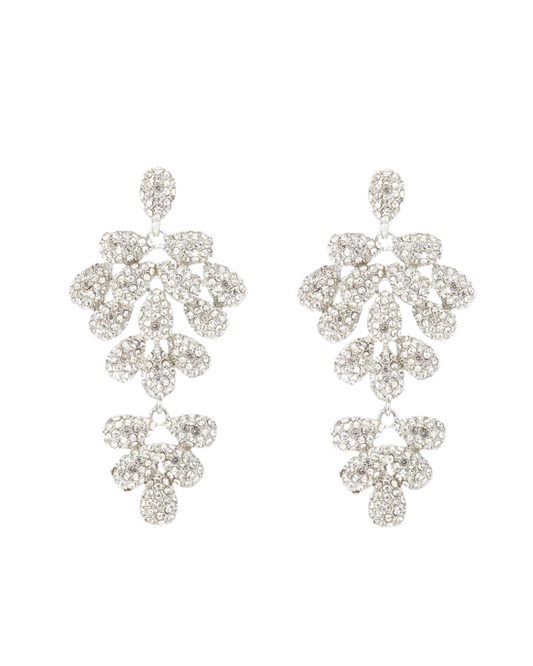
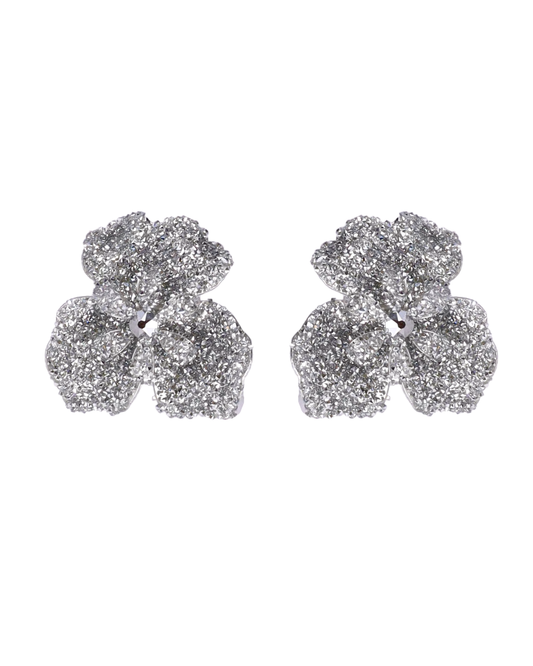
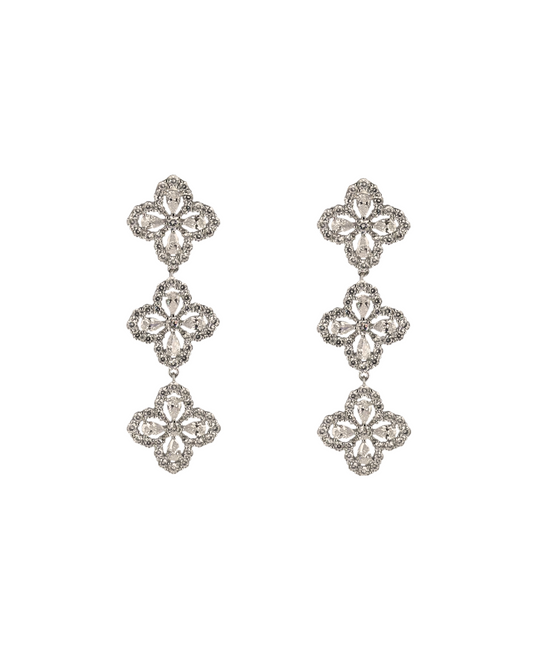
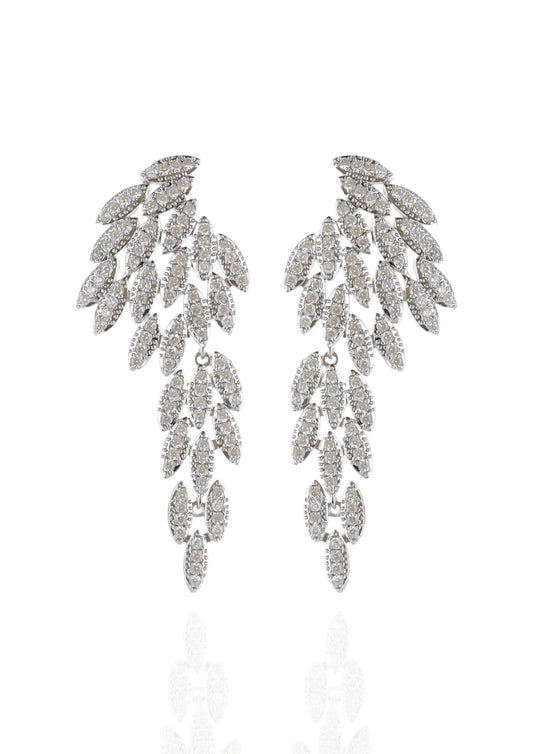
Pieces set with crystals or cubic zirconia, such as the Estrella Earrings and the Cosima Earrings, can be cleaned with warm soapy water and a soft brush using the same method as for gold-plated metal. Dry thoroughly: moisture that collects behind a stone setting can cause discolouration over time. Avoid ultrasonic cleaners, which can loosen stones from their settings with repeated use.
Storing Your Jewellery Properly
Storage is where most jewellery care fails. A tangled drawer or a shared jewellery dish is where gold plating gets scratched, chains get knotted, and softer stones get marked by harder ones sitting alongside them.
Key storage principles:
- Store pieces individually. Semi-precious stones can scratch one another, and gold-plated surfaces can be marked by metal-on-metal contact. Each piece should have its own pouch or compartment.
- Use the dust bags and boxes that come with your Laurence Coste pieces. Soft-lined pouches are well suited to earrings and smaller pieces; rigid boxes give larger statement necklaces the protection they need.
- Keep jewellery away from direct sunlight, heat sources, and damp environments. A bathroom shelf is one of the worst possible storage locations: the repeated humidity from showering and bathing accelerates tarnish significantly.
- Fasten clasps on necklaces and bracelets before storing them. An unfastened clasp allows chains to move freely and tangle. For longer statement necklaces, lay them flat in a box rather than hanging or coiling them, which puts stress on joins and wire links.
- For clip-on earrings: store with the clip mechanism closed, not open. Leaving the clip extended under tension weakens the spring over time.
- Anti-tarnish strips placed inside a jewellery box or pouch will slow the natural oxidation process, which is particularly useful for pieces stored for longer periods.
- Pearls are the exception to the airtight storage approach. They need to absorb a small amount of ambient moisture to prevent the nacre from drying out and cracking. Store pearl pieces in a breathable, soft-lined pouch rather than a sealed bag.
Caring for Statement Jewellery and Long-Drop Earrings
Caring for statement jewellery asks for a little extra attention, precisely because of what makes these pieces distinctive. Bold, multi-stone designs have more surface area in contact with hair, clothing, and skin, which means they accumulate residue more quickly than a small stud or a simple chain.
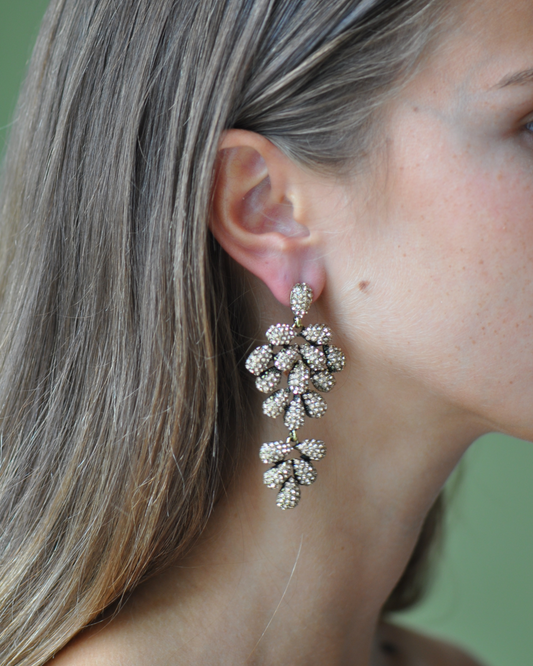
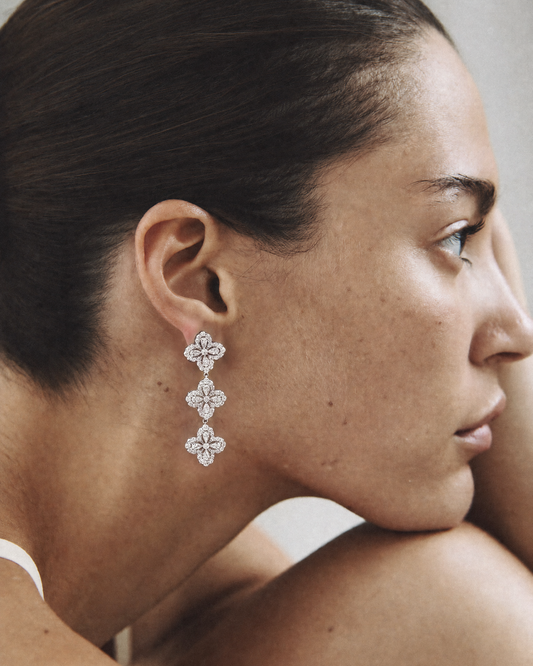
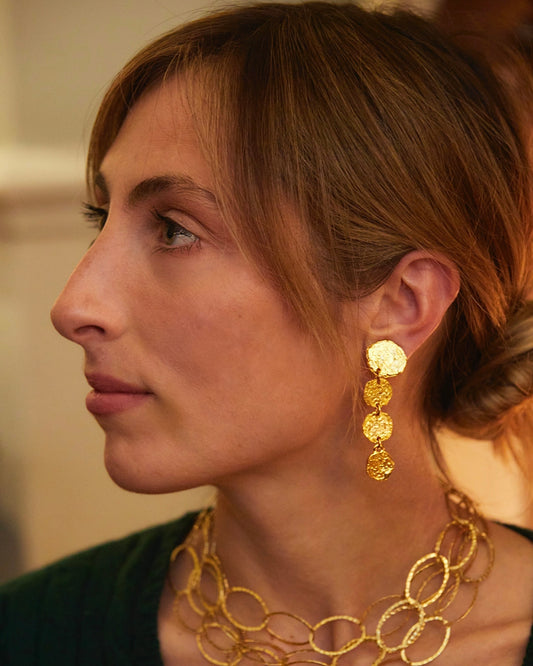
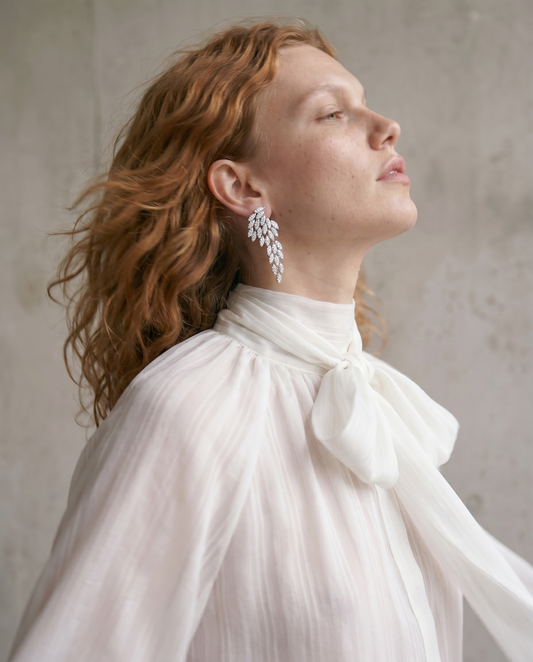
Long-drop earrings should be removed before pulling a jumper or fitted top over your head. It takes a moment but saves a great deal of trouble: fabric catches in stone settings and can pull a piece out of shape or dislodge a stone entirely.
Statement necklaces with multiple strands, large pendants, or intricate wire structures benefit from being laid flat after wear rather than coiled back into a pouch. Coiling puts repeated pressure on the joins and links that hold the design together. A soft wipe with a lint-free cloth before storing will remove skin residue that would otherwise dull the surface between wears.
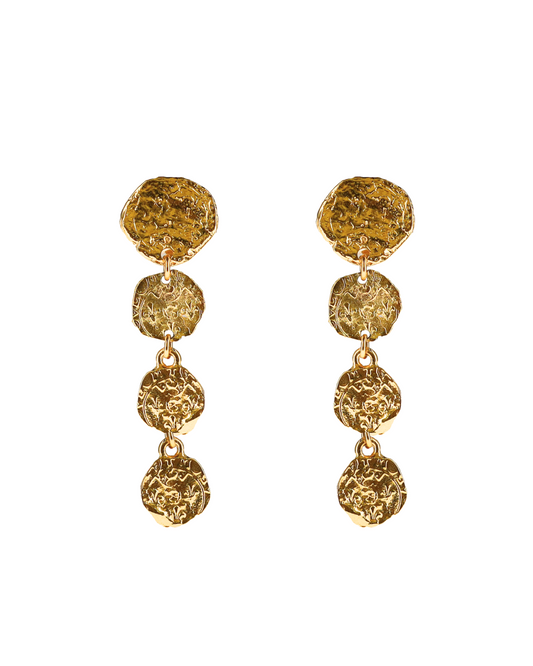
The settings and wirework in Laurence Coste's statement pieces are individual to each design, and handmade. General gentleness is the right approach: these are not pieces to wear into the sea or to the gym, and they are not pieces to clean with anything more aggressive than warm water and a soft cloth.
Caring for Clip-On Earrings
Clip-on earrings are a signature part of the Laurence Coste collection, with the full earring collection available in both clip-on and pierced. The clip mechanism is precise and durable, but it does require a degree of care to maintain over time.
How to wear and remove clip-ons correctly:
- When removing clip-on earrings, release the clip first, then take the earring away from the ear. Pulling the earring directly without releasing the clip first puts strain on the hinge joint, which weakens it over repeated use.
- A well-fitting clip should feel secure but comfortable. Avoid over-tightening the adjustment if your clip-ons have a screw mechanism. Persistent over-tightening places the spring under constant stress and shortens its lifespan.
Cleaning and storing clip-on mechanisms:
- Clean the clip mechanism with a dry, soft cloth only. Avoid getting water or cleaning solution into the hinge, as moisture in the mechanism can cause internal corrosion.
- Store clip-ons with the clip in its closed position to allow the spring to rest rather than remain extended.
- If a clip becomes noticeably loose and no longer holds the earring securely, bring the piece to one of the boutiques for assessment. Attempting to re-bend the clip mechanism at home risks cracking the fitting, which cannot easily be repaired.
Caring for Bespoke and Custom Jewellery
A bespoke Laurence Coste piece has been designed around a specific brief, for a specific person, and may incorporate materials, stone combinations, or construction methods that do not appear elsewhere in the collection. The general care principles in this guide apply: keep pieces away from chemicals and moisture, store them individually, clean gently. However, bespoke pieces warrant particular care beyond the standard guidance, because their specifications are unique and straightforward re-creation is not possible.
For any cleaning, repair, or assessment of a bespoke piece, the recommendation is to bring it back to the boutique rather than treat it at home with generic jewellery products. The team at Laurence Coste's bespoke service, available across all three boutiques in Chelsea, Sloane Square, and Mayfair, can advise on the ongoing care of a commissioned piece and carry out any work needed with full knowledge of how it was made.
When to Seek Professional Care
Diligent home care goes a long way, but most jewellery benefits from a professional check once a year. A trained eye will catch things that are easy to miss: the very early signs of a stone working loose, plating beginning to wear unevenly, or a clasp that is starting to fatigue.
Signs that a piece needs professional attention:
- A stone that moves or rocks within its setting, however slightly
- Visible wear to the prongs or claws that hold a stone in place
- A clasp that has become stiff, loose, or that does not close as securely as it once did
- Visible thinning or patchiness in the gold plating, particularly on areas of high contact
- A pearl thread that looks frayed, stretched, or discoloured around the knots
- A clip-on mechanism that has noticeably lost tension and no longer holds the earring firmly
Re-gilding: Gold plating does wear over time, particularly on pieces worn frequently and close to the skin. This is entirely normal and is not a sign of poor quality. A professional re-gilding service restores the original finish, and Laurence Coste offers this at the boutiques. [Please note: confirm service details, pricing, and name directly with the team before publication.]
Avoid DIY re-plating kits. The results are inconsistent, the process is difficult to control around stone settings, and a poor application can be harder to correct than the original wear. Bring the piece to the boutique instead.
Laurence Coste's team across the Chelsea, Sloane Square, and Mayfair boutiques are always happy to advise on the care of a specific piece, carry out a condition check, or discuss re-gilding. If you have a question about a piece you own, visit her boutiques or get in touch directly.
Frequently Asked Questions
What Is the 2-1-1 Rule for Jewellery?
The 2-1-1 rule is a simple care guideline: clean your pieces twice a year, have them professionally inspected once a year, and store each piece in its own pouch or compartment. It is a memory aid rather than an official standard, but it reflects sound habits. For Laurence Coste pieces with gold plating and semi-precious stone settings, the logic is solid: regular cleaning prevents residue build-up, annual checks catch early wear, and individual storage prevents the scratching that dulls surfaces over time.
How Do I Care for Gold-Plated Jewellery?
Clean with warm water, a few drops of mild washing-up liquid, and a soft toothbrush, then dry immediately with a lint-free cloth. Keep pieces away from perfume, hairspray, chlorine, and moisture, and remove before swimming, showering, and exercising. Over time, plating will naturally thin on high-contact surfaces. This is a normal part of wearing gold-plated jewellery, and a professional re-gilding service can restore the original finish when needed.
How Should I Care for Pearl Jewellery?
After each wear, wipe each pearl individually with a soft, damp cloth and dry with a lint-free cloth. Never submerge pearl pieces in water, and avoid contact with perfume, hairspray, and skincare products. Store flat in a soft, breathable pouch rather than an airtight container. For pearl necklaces, check the thread periodically around the knots for fraying, and bring the piece to a boutique before a pearl is lost.
How Do I Prevent My Jewellery from Tarnishing?
Tarnish is a natural result of metal oxidising with air, moisture, and chemicals. To slow it: store pieces individually away from sunlight and damp; apply perfume and skincare before putting on jewellery; remove pieces before showering, swimming, or sleeping; and wipe with a soft cloth after each wear to remove skin oils before they build up. Anti-tarnish strips in a jewellery box will also help for pieces stored over longer periods.
What Cleans Jewellery Well at Home?
For most pieces, including gold-plated and semi-precious stone jewellery, warm water with a few drops of mild washing-up liquid and a soft toothbrush is the safest and most effective option. Rinse thoroughly and dry immediately. Avoid bleach, vinegar, baking soda, and commercial jewellery dips on plated or stone-set pieces. For pearls and opals, a soft damp cloth is the only appropriate home cleaning method.
-
Free Gift Wrapping
-
Lifetime Care Service
-
Free & Fast Delivery
-
Handcrafted in London
Trusted by OVER 30,000 CUSTOMERS
I always pack these earrings for weekend trips. They did brunch, museums, and dinner perfectly!
Carmen, New York
You can feel the artistry in every piece. So unique yet timeless enough to wear again and again!!
Chloe, Sydney
Laurence Coste's detail is next level. I always get asked where my earrings are from!
Sienna, Houston
Customer service was so kind and helpful. My necklace arrived beautifully packaged and even better in person!
Sophie, London
They catch the light just enough, elegant but not stiff. People keep asking me if they’re vintage!
Anya, Amsterdam
I’ve worn the Milly earrings nearly every day now. They’re light, polished, and go with everything!
Emily, Dublin
I created a custom necklace with Laurence and loved every step. It was such a thoughtful, personal, and so special experience!
Isabelle, Paris
I met Laurence once in the store and it felt like meeting an artist. She was warm, honest, and full of stories behind each piece!
Camille, Paris
I’ve shopped at their Walton store for years now and the team is wonderful! It’s so reassuring to know you can always pop in if needed.
Amira, London
I changed my mind on the colour and they made the exchange so easy and even followed up after. Super supportive!