

















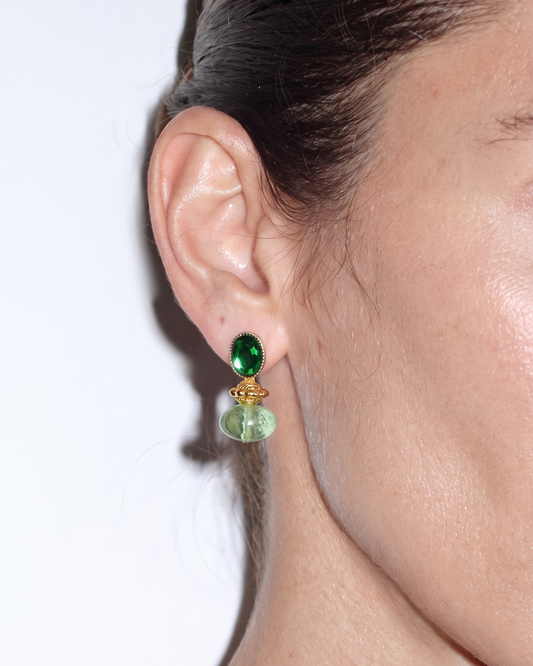


Birthstones date back thousands of years, from a sacred breastplate described in the Bible to the personal pieces people wear today. Every month carries its own stone, its own colour, and its own story, which is part of why birthstone jewellery feels so personal to wear and to give. Laurence Coste designs her own colourful birthstone collections, interpreting the tradition through bold semi-precious stones rather than the usual precious gems. This guide covers where birthstones came from, how the modern list was settled, which stone belongs to each month, and what those stones have traditionally meant.
Where Birthstones Began: The Breastplate of Aaron
The tradition is widely traced to the Book of Exodus and the Breastplate of Aaron. Aaron, the first high priest of the Israelites, wore a ceremonial breastplate set with twelve gemstones arranged in rows, each stone representing one of the Twelve Tribes of Israel. The breastplate was treated as sacred and was to be passed down to the high priests who followed.
Identifying those original twelve stones precisely comes down to myth and legend. Ancient writers named stones by colour rather than mineral composition, so a red stone might have been a garnet, a carnelian, or a ruby in the modern sense. The stones commonly cited from early translations include carnelian, chrysolite, beryl, turquoise, lapis lazuli, emerald, and topaz, but these are best understood as informed interpretations rather than a definitive list.
From Sacred Stones to the Zodiac
The link between these stones and the calendar came later. In the first century, the Jewish historian Josephus drew a connection between the twelve stones of the breastplate, the twelve months of the year, and the twelve signs of the zodiac. His writing is one of the earliest sources to make that association, although he himself recorded the stones in more than one way.
In the fifth century, St Jerome, referencing Josephus, encouraged Christians to take up the practice. By the eighth and ninth centuries the idea had taken firmer hold, and religious treatises began linking particular stones to the apostles. People who could afford it would own all twelve stones and rotate them, wearing each one during its month, when its qualities were believed to be at their strongest.
Wearing a Single Birthstone
Wearing only the stone of your own birth month, rather than collecting all twelve, is a more recent custom. It developed in Europe somewhere between the 16th and 18th centuries, with historical records pointing first to Germany and later to Poland, where gem traders are credited with popularising the idea of buying the stone that matched your birth month.
Birthstone poems also helped the single-stone custom spread. These verses paired each month with a stone and a sentiment, and they circulated widely enough to fix the associations in popular memory. By the 19th century, wearing your own birthstone had become the familiar tradition we recognise now.
How the Modern Birthstone List Was Standardised
For centuries there was no single agreed list, different regions favoured different stones, which is why older sources often disagree. The version most people know today was settled in the early 20th century and has been adjusted only a handful of times since.
- 1912: The American National Association of Jewelers, now known as Jewelers of America, met in Kansas City and adopted the first standardised birthstone list, drawing the various regional customs into one chart.
- 1937: Britain's National Association of Goldsmiths created its own separate list, which is why some British associations differ slightly from the American one.
- 1952: The Jewelry Industry Council of America updated the list, adding alexandrite for June, citrine for November, tourmaline for October, and zircon for December.
- 2002: Tanzanite was added as a birthstone for December.
- 2016: Spinel was added as a birthstone for August.

Birthstones by Month and What They Mean
Several months carry more than one recognised stone, because the traditional and modern lists differ and because alternatives were introduced over time. The table below sets out the best-known stone for each month, alongside the colourful semi-precious stone Laurence Coste uses in her own collections, the colour, and the qualities each has traditionally been associated with.
|
Month |
Best-Known Stone |
Laurence's Colourful Interpretation |
Colour |
Traditionally Associated With |
|
January |
Garnet |
Garnet, Rose Quartz |
Deep red, soft pink |
Friendship, protection, love |
|
February |
Amethyst |
Amethyst |
Purple |
Calm, clarity, wisdom |
|
March |
Aquamarine |
Aquamarine |
Sea blue |
Courage, serenity, hope |
|
April |
Diamond |
Rock Crystal, Zirconia |
Clear, brilliant |
Strength, clarity, lasting love |
|
May |
Emerald |
Green Agate, Chrysoprase |
Green |
Renewal, growth, good fortune |
|
June |
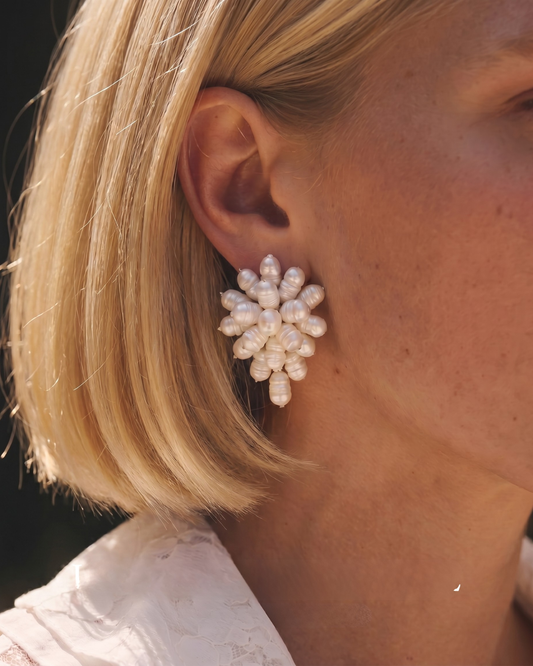
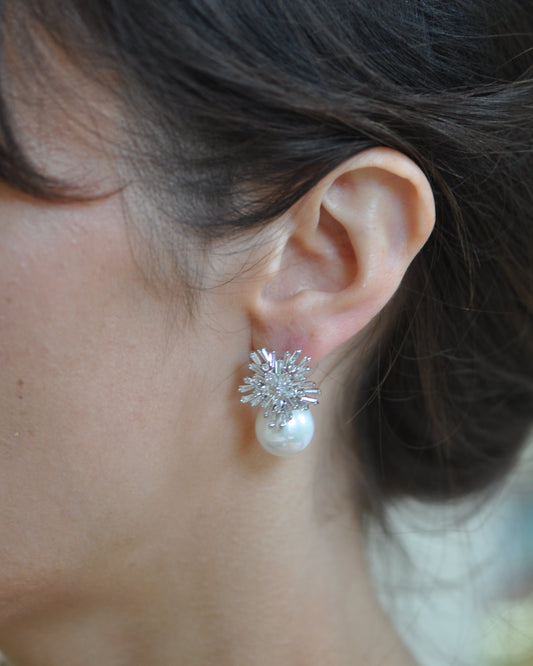
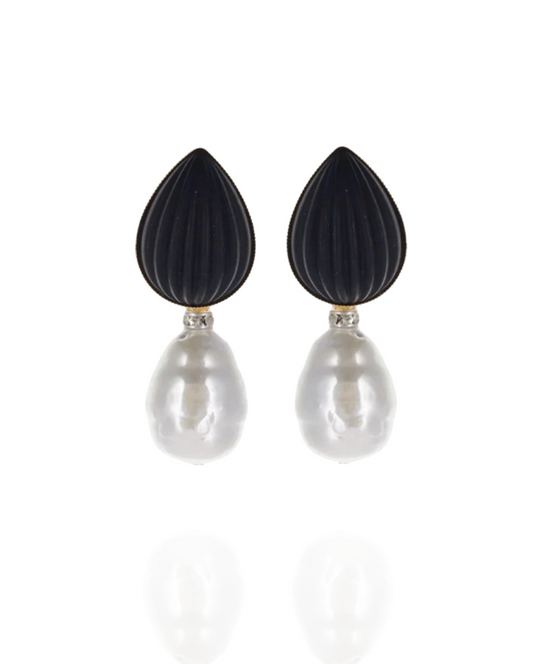
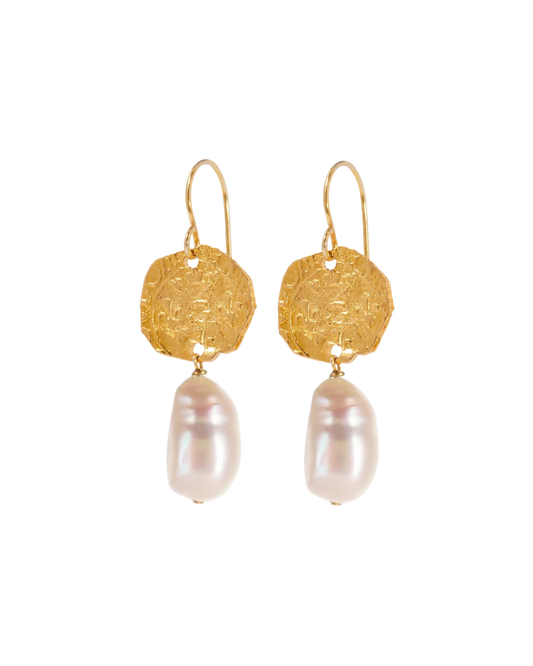
Pearl, Moonstone |
Pearl, Moonstone |
White, iridescent |
Purity, intuition, serenity |
|
July |
Ruby |
Cornelian |
Warm red |
Passion, courage, energy |
|
August |
Peridot |
Peridot |
Lime green |
Strength, positivity, protection |
|
September |
Sapphire |
Lapis Lazuli |
Deep blue |
Wisdom, honesty, nobility |
|
October |
Opal, Tourmaline |
Pink Tourmaline |
Pink |
Confidence, compassion, hope |
|
November |
Topaz, Citrine |
Citrine |
Golden yellow |
Joy, warmth, optimism |
|
December |
Turquoise, Tanzanite |
Turquoise |
Blue-green |
Protection, calm, good fortune |
The meanings above are qualities traditionally associated with each stone rather than proven properties, but they are a large part of why a birthstone feels so personal to its wearer. Laurence interprets several months with her own colourful semi-precious alternatives rather than the traditional precious gems, which gives the collections their distinctive, wearable colour while keeping the link to each month's tradition.
Traditional, Modern, and Mystical Birthstone Lists
If you have ever found two different stones listed for your month, it is because more than one list exists. Most variation comes down to three broad traditions.
- Traditional birthstones: the older associations that built up over centuries, often rooted in historical and cultural custom.
- Modern birthstones: the standardised list established from 1912 onward, the one most retailers and jewellers use today.
- Mystical and alternative birthstones: lists drawn from astrological, seasonal, and cultural traditions, including Hindu and religions that connect gems to celestial influences rather than calendar months.
Most people simply choose the stone they find most beautiful or meaningful, which is entirely in keeping with how the tradition has always evolved.

Why the Tradition Still Matters
Birthstones began as talismans, stones believed to protect the wearer, sharpen the mind, or bring good fortune in a particular month. Over time, as gemmology advanced and many of the old healing claims fell away, the appeal shifted from superstition to sentiment.
The Victorian era was a turning point, birthstones became popular in sentimental jewellery, set into rings and lockets given to mark love, remembrance, and family ties. That is largely how we still wear them today, as a personal marker of a person or a moment rather than a charm. A birthstone piece points to one particular individual, which is what makes it such a considered gift.
Birthstone Jewellery at Laurence Coste
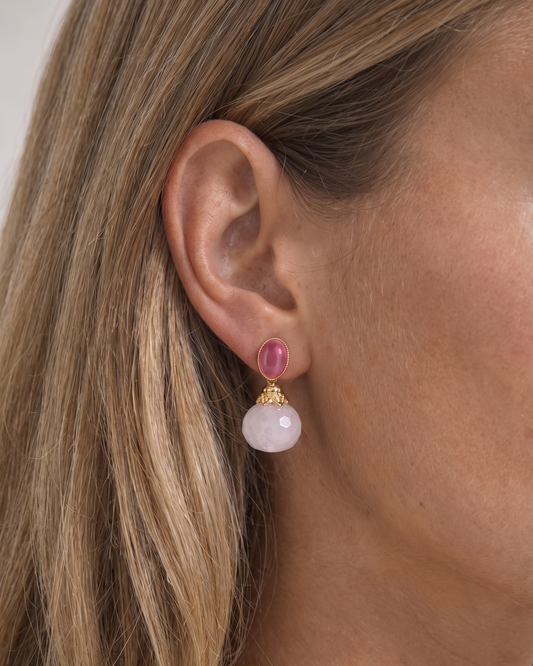
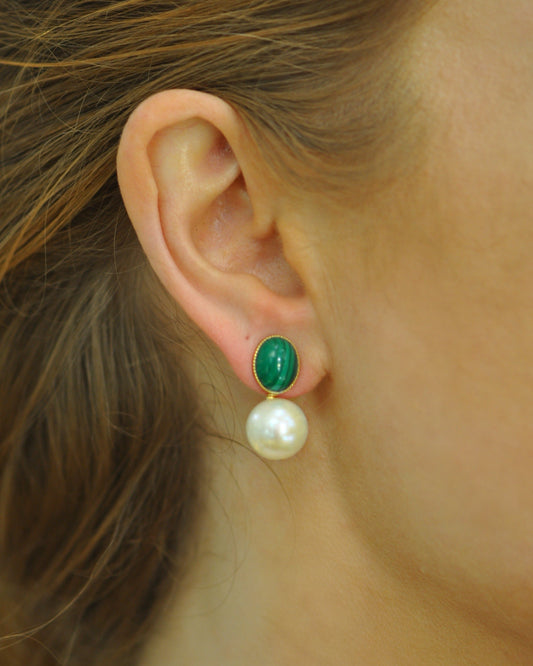
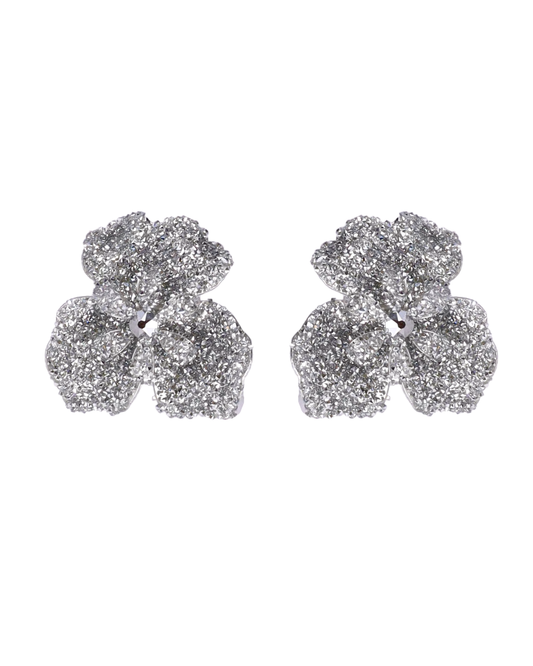
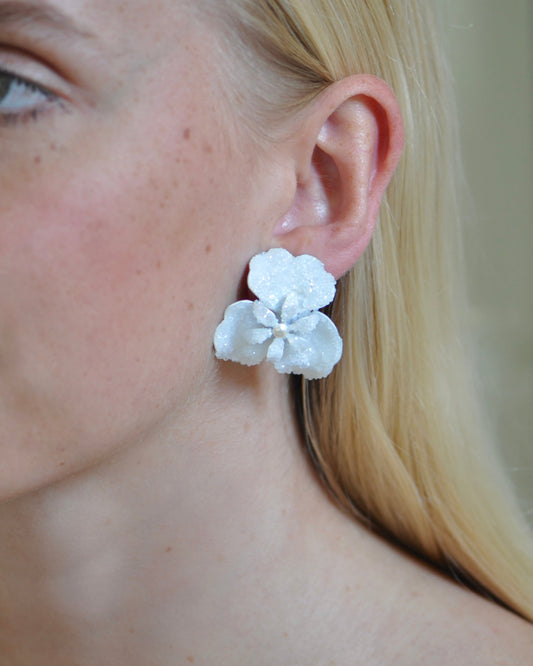
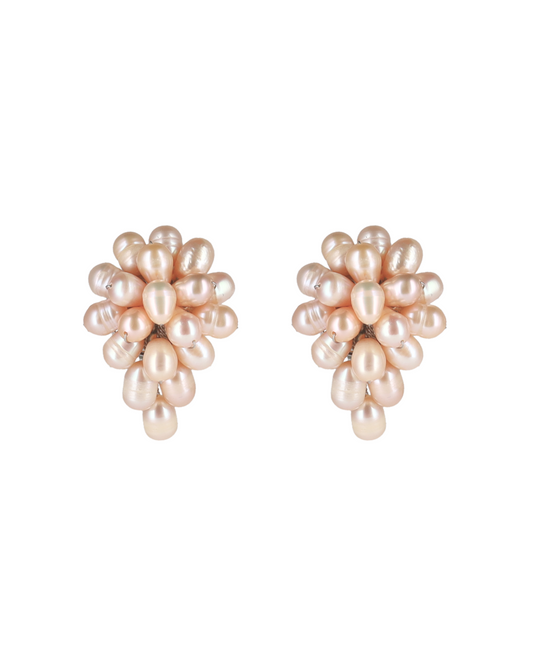
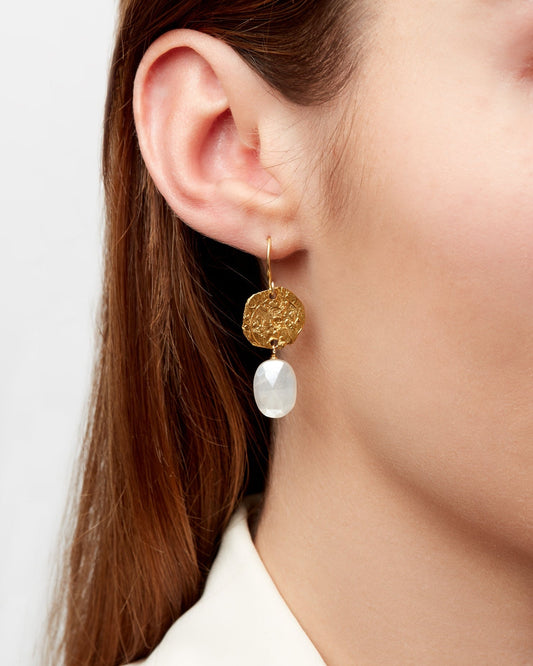
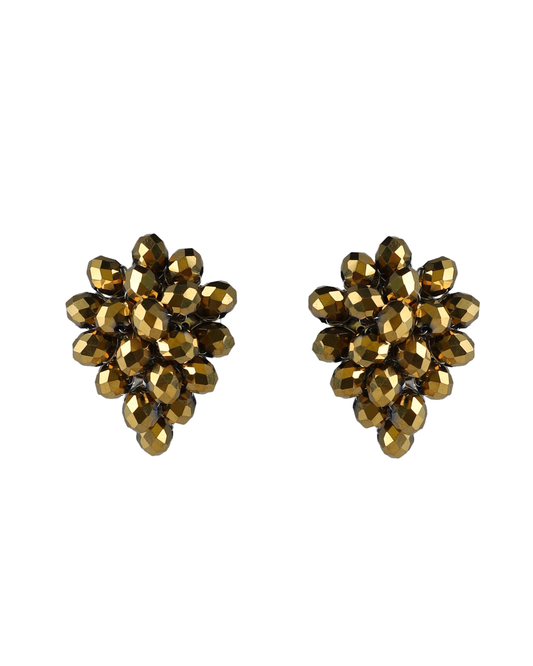
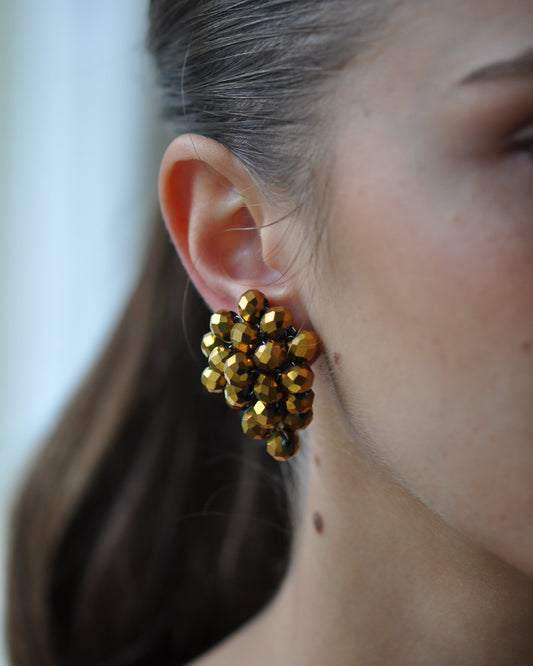
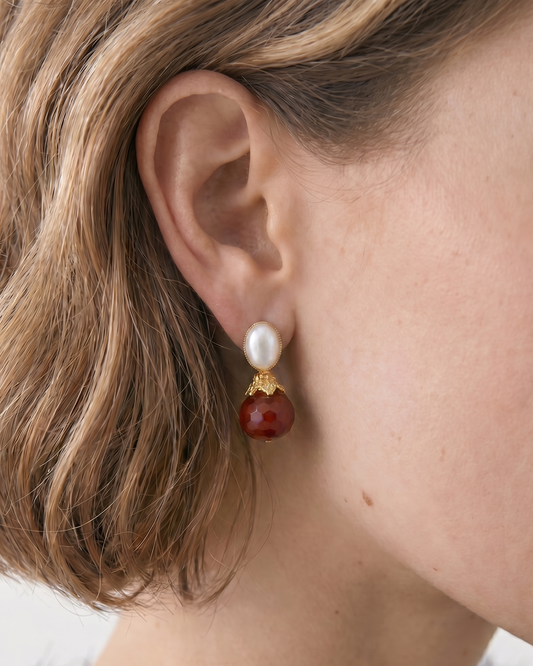
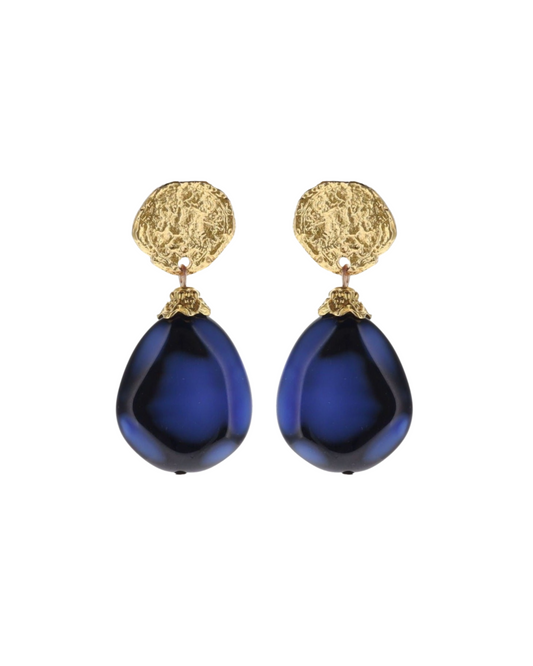
Laurence Coste interprets the birthstone tradition through twelve monthly collections, each designed around ethically sourced, colourful semi-precious stones. Every piece is handmade in limited quantities and designed by Laurence herself, which means a birthstone piece feels considered rather than mass-produced. You can explore the birthstone collections online, including January's garnet and rose quartz, July's warm cornelian, and September's deep blue lapis lazuli.
The pieces can also be seen in person. Laurence has three London boutiques, in Chelsea, Sloane Square, and Mayfair, where the team can talk through the stones for a particular month. Visit her boutiques to see how the semi-precious stones catch the light. For something entirely personal, Laurence offers a bespoke service, which can build a piece around a single stone or a combination of family birthstones gathered into one design.
Frequently Asked Questions
What Is My Birthstone?
Your birthstone is the gemstone traditionally tied to your birth month. The month table above sets out the best-known stone for each one. Several months have more than one recognised stone, including June, October, and December, so in some cases you have a choice between a traditional and a modern option.
What Were the Original 12 Birthstones?
The original stones derive from the twelve gems of the Breastplate of Aaron, described in the Book of Exodus. Because ancient writers named stones by colour rather than mineral type, the exact gems cannot be confirmed. The commonly cited stones include carnelian, chrysolite, beryl, turquoise, lapis lazuli, and emerald, among others.
Who Decided the Birthstones for Each Month?
The modern list was standardised by the American National Association of Jewelers, now Jewelers of America, in 1912. It built on centuries of older tradition, traced back through the first-century historian Josephus to the Breastplate of Aaron. Britain's National Association of Goldsmiths later created its own list in 1937.
Why Do Some Months Have More Than One Birthstone?
Because more than one list exists. Traditional, modern, and alternative lists each developed differently, and stones were added over the years for greater choice and availability. June, October, and December carry the widest selection.
What Is the Rarest Birthstone?
Alexandrite, one of June's stones, is among the rarest and most valuable, prized for its ability to appear green in daylight and red under warm light. Rarity does vary by quality and source, so the rarest stones tend to be the finest examples rather than a whole gem type.